Wildlife in Mauritius: Animals Worth Seeing (Including Species Found Nowhere Else)
Most visitors come to Mauritius for the beaches. A good number leave wishing they’d spent at least one morning looking up at the trees.
Mauritius is an island with a genuinely unusual wildlife story. It was isolated long enough to evolve species found nowhere else on the planet, then dramatically altered by human settlement in ways that wiped out many of them. What’s left is a small but remarkable collection of birds, reptiles, and marine life, some clinging on thanks to intensive conservation work that’s been quietly running for decades.
You don’t need to be a birdwatcher to enjoy it. You just need to know where to go.
Does Mauritius have unique wildlife worth seeing?
Yes, genuinely. Mauritius has several endemic species found nowhere else on earth, including the pink pigeon, the echo parakeet, and the Mauritius kestrel. The island’s reptiles are also distinctive, and the surrounding ocean has excellent snorkelling and diving. The dodo is extinct, but its relatives and the ecosystems it lived in are very much the focus of ongoing conservation you can visit and support.
The Dodo: What You Can Actually See Today
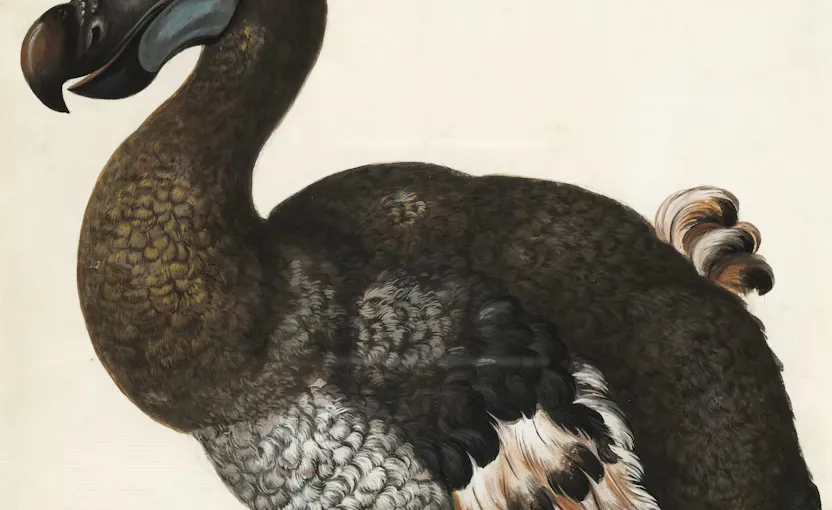
The dodo went extinct around 1662, roughly 70 years after Dutch sailors arrived on the island. It’s become one of the most recognisable symbols of human-caused extinction, and Mauritius leans into that history thoughtfully.
The best place to connect with the dodo story is the Natural History Museum in Port Louis. It houses notable dodo remains and reconstructions, along with genuine colonial-era illustrations. Entry is free. The museum is small but well worth an hour, particularly if you’re travelling with older kids who have any interest in natural history.
Ile aux Aigrettes, a small coral island just off the southeast coast, gives you the most vivid sense of what Mauritius looked like before it all went wrong. The Mauritian Wildlife Foundation has stripped it of invasive species and replanted native vegetation, turning it into something close to the pre-human island. Guided tours run at around $35 per adult and take about 90 minutes. Book in advance.
Endemic Birds Still Found in Mauritius
This is where Mauritius genuinely surprises people. Several species pulled back from the brink of extinction are now visible with a bit of effort.
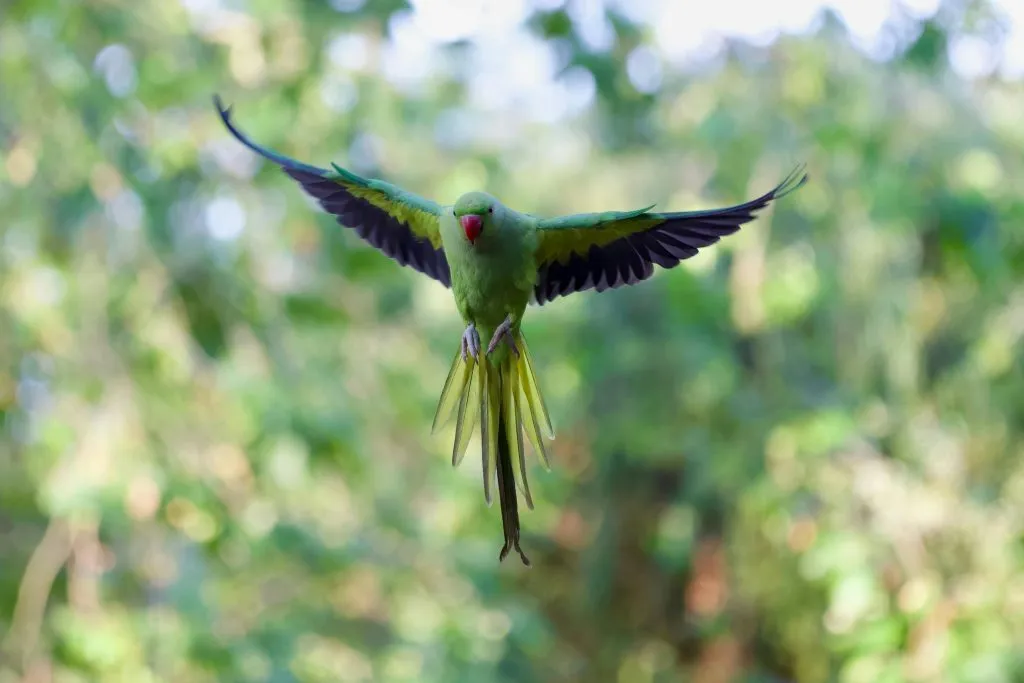
Echo Parakeet
In 1986, fewer than 10 echo parakeets were left in the wild. Today there are over 700, entirely due to captive breeding and habitat protection. They’re bright green, loud, and now regularly spotted in the Black River Gorges National Park. The park visitor centre off the Petrin road is the easiest starting point. Go early, between 7am and 9am, when birds are most active. No entry fee.
Mauritius Kestrel
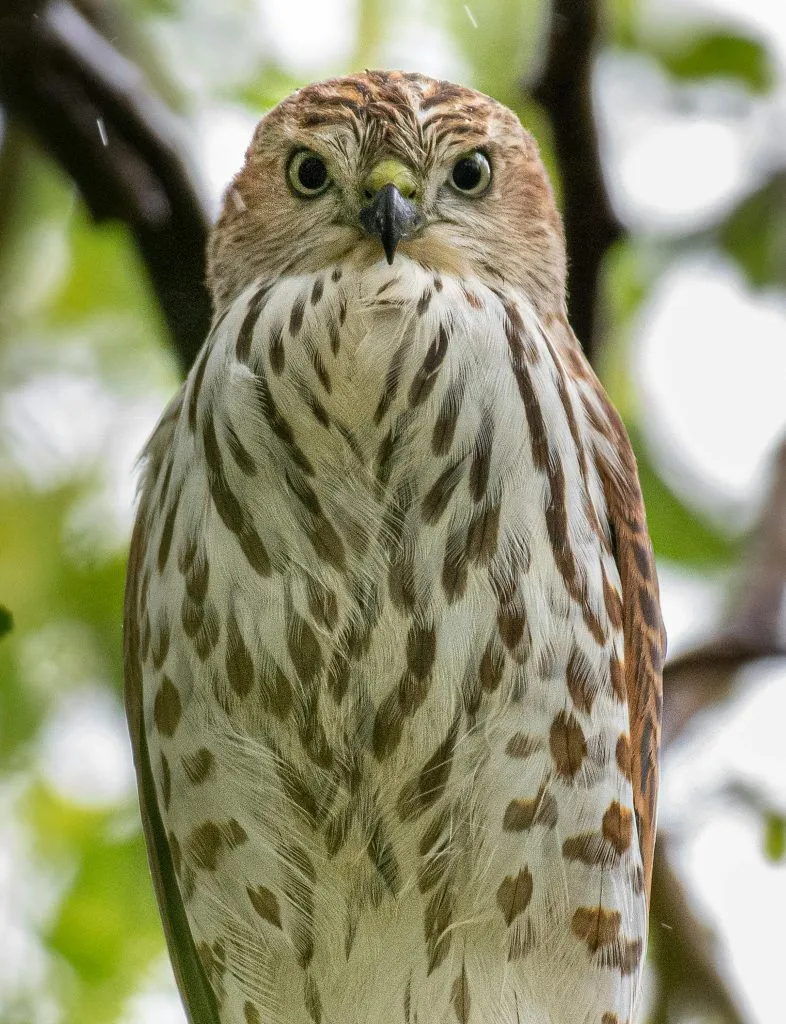
Another conservation success story. The Mauritius kestrel was down to four known individuals in 1974, making it the rarest bird on earth at the time. Captive breeding and nest box programmes brought the population back to several hundred. You’re most likely to spot one at Black River Gorges or around the upland plateau near Curepipe. Smaller than a European kestrel, it hovers and dives in forest edge habitats rather than open moorland.
Pink Pigeon
Dusty pink and somewhat ungainly, the pink pigeon is unmistakeable. Around 500 or more remain in the wild, though numbers fluctuate, concentrated in the southwest. Ile aux Aigrettes has a small captive population you can see up close on the guided tour. Wild birds are harder to find but do appear in the forested interior around Black River.
Mauritius Fody
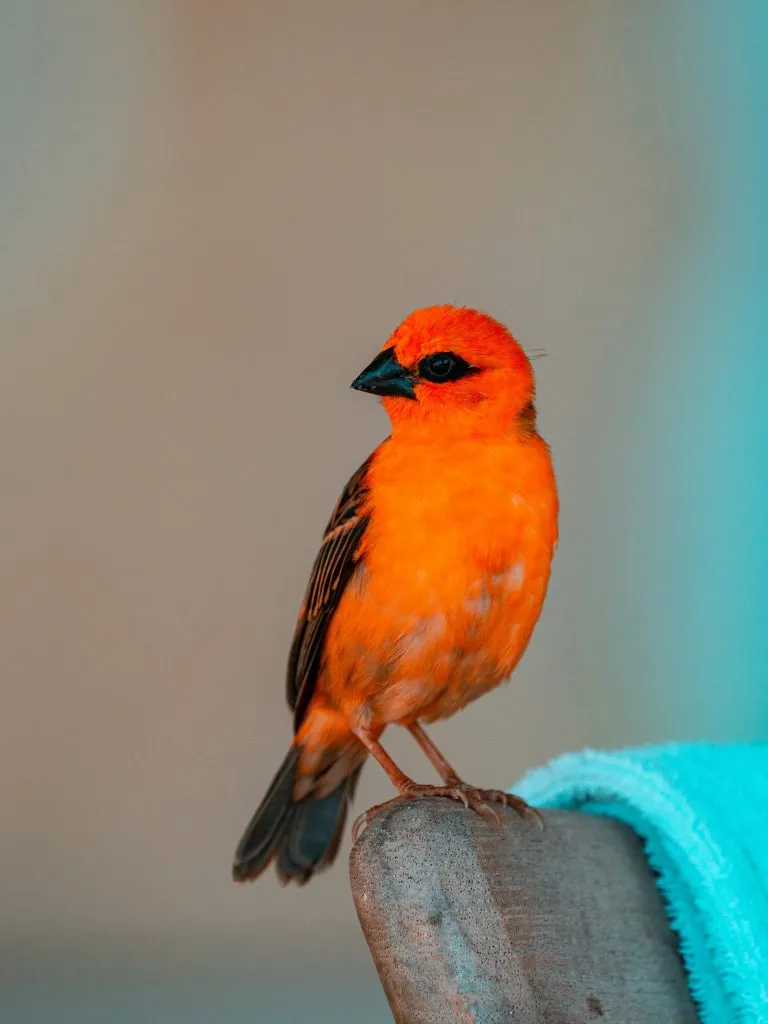
A small red and brown bird that looks unassuming until you realise it exists nowhere else. Males are a vivid crimson during breeding season. Ile aux Aigrettes has them in good numbers, and they’re bold enough to come close.
Reptiles: Giant Tortoises and Geckos
Native tortoises were hunted to extinction on the main island, but Aldabra giant tortoises from the Seychelles have been reintroduced on Ile aux Aigrettes as ecological stand-ins for the extinct native species. These are enormous, slow, and genuinely impressive animals. You’ll walk among them on the island tour. They’re not behind fences.
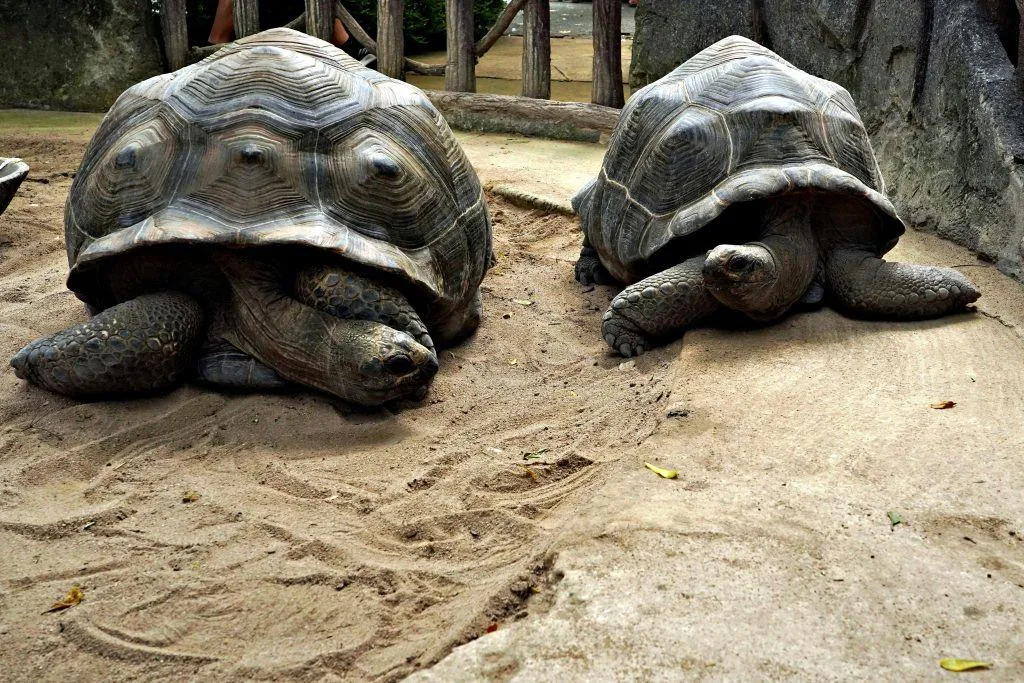
The La Vanille Nature Park near Riviere des Anguilles in the south is the most accessible wildlife attraction on the island for families. It’s educational rather than a conservation project, holding giant tortoises, Nile crocodiles, giant fruit bats, and deer in well-maintained enclosures. Entry is around $15 per adult, $9 for children. It won’t give you the ecological depth of Ile aux Aigrettes, but it works well for younger kids who need something hands-on and manageable.
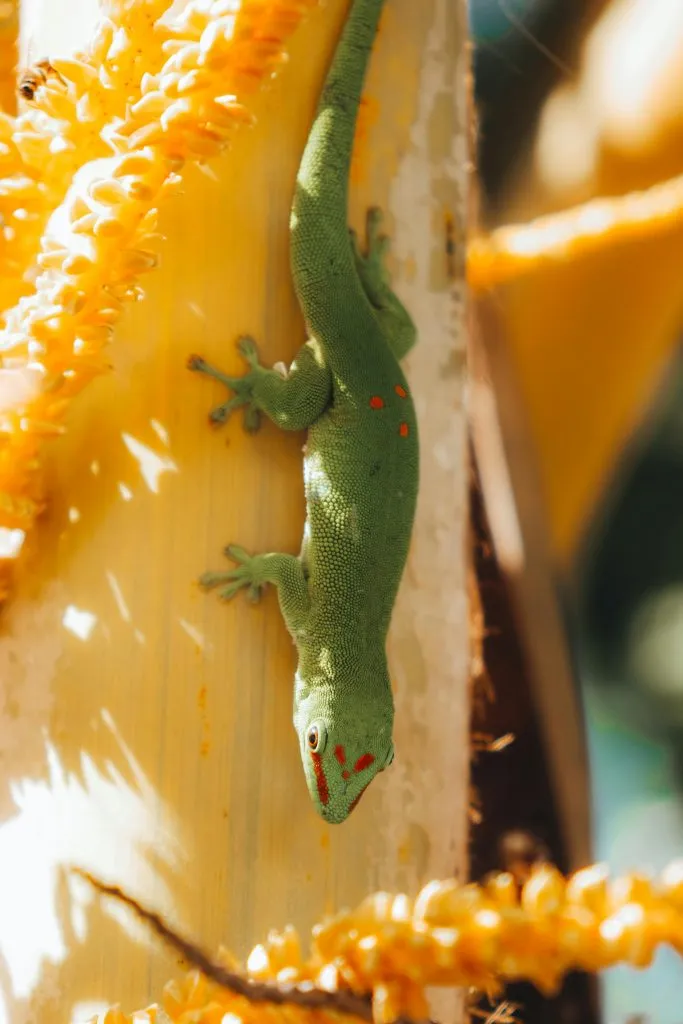
Two endemic gecko species, the ornate day gecko and the Mauritius lowland forest gecko, are small and easily missed but rewarding if you spot them. Look on tree trunks and rocks in the Black River Gorges area. It’s worth knowing that many of Mauritius’s endemic reptiles now survive mainly on small offshore islets, where invasive predators haven’t reached, rather than on the main island itself.
Marine Wildlife: What’s in the Water
The reefs around Mauritius are in reasonable condition by Indian Ocean standards, and several species are reliably seen without much effort.
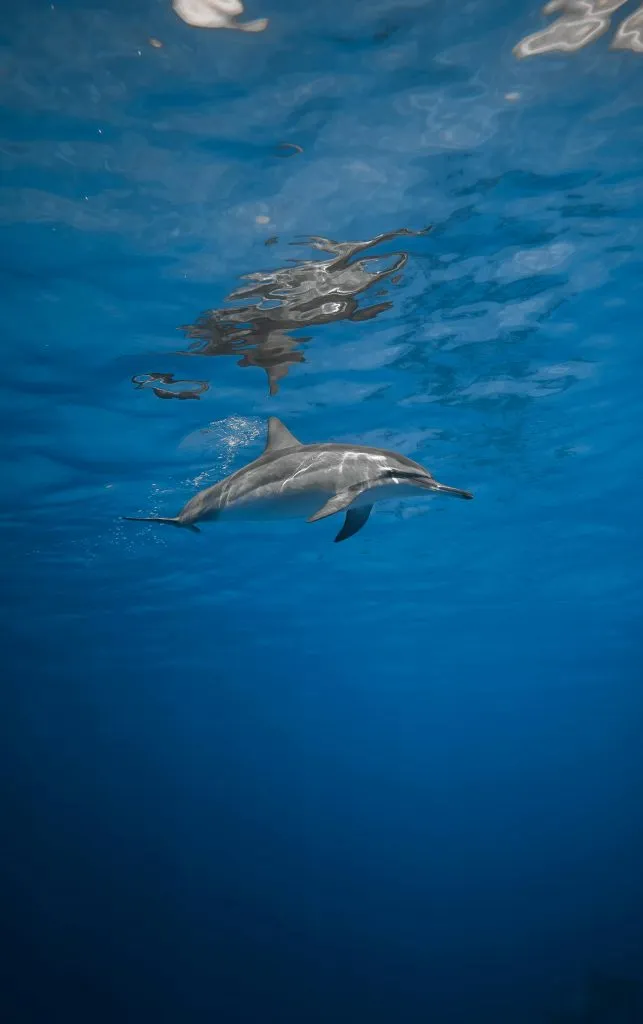
Spinner dolphins are the most reliable sighting on the island. They gather most mornings off the west coast near Tamarin Bay before heading offshore. Boat tours depart from around $40 per person. These are wild animals in their natural habitat, not a managed encounter, so keeping your distance matters. Choose operators who slow the boat and let dolphins approach on their terms. Avoid any operator that surrounds the pod, herds them toward the boat, or drops swimmers directly in their path.
Whale sharks are occasionally spotted in Mauritian waters, but sightings are rare and not tied to any reliable season. Don’t plan a trip around them.
Standard reef snorkelling at Blue Bay Marine Park in the southeast is one of the best and most accessible snorkelling spots on the island. Reef conditions around Mauritius are mixed, but Blue Bay has some genuinely healthy pockets. Hawksbill turtles, octopus, lionfish, and moray eels are regularly seen here, and snorkel hire is available from the beach without any booking needed.
Where to Go: Quick Summary
-
Black River Gorges National Park: Best for endemic birds, especially echo parakeet and Mauritius kestrel. Free entry. Go at dawn.
-
Ile aux Aigrettes: Best for the dodo story, giant tortoises, pink pigeon, and Mauritius fody. Guided tours ~$35. Book ahead.
-
Natural History Museum, Port Louis: Notable dodo remains and natural history exhibits. Free. Worth an hour.
-
La Vanille Nature Park: Family-friendly. Giant tortoises, crocodiles, bats. Entry ~$15 adults, $9 children.
-
Tamarin Bay: Spinner dolphin boat tours from ~$40. Confirm operator policy on wildlife interaction.
-
Blue Bay Marine Park: One of the best snorkelling spots on the island. Turtles, reef fish, no booking needed.
If you do only one wildlife activity in Mauritius, make it Ile aux Aigrettes. It tells the whole story: what the island once was, what was lost, and what conservation looks like when it actually works. The giant tortoises walking freely around you are one of the better wildlife moments you’ll have anywhere in the Indian Ocean.