

Paying for things in China trips up almost every first-time visitor. The good news: once you set up one app before you land, you’ll get through 95% of your trip without fumbling at the counter. These payment practices are broadly consistent across mainland China, including Guangzhou.
Can You Use Cash or a Credit Card in China?
Cards are accepted at international hotel chains and some upscale restaurants, but expect a foreign transaction fee of around 1.5–3% on top, and acceptance is patchy outside those settings. Most locals pay entirely by phone.
Cash remains legal tender throughout China, and businesses are required to accept it. In practice, many small vendors, taxi drivers and market stalls operate almost entirely through QR payments and may struggle to provide change for larger notes. For convenience, most visitors rely primarily on Alipay or WeChat Pay.
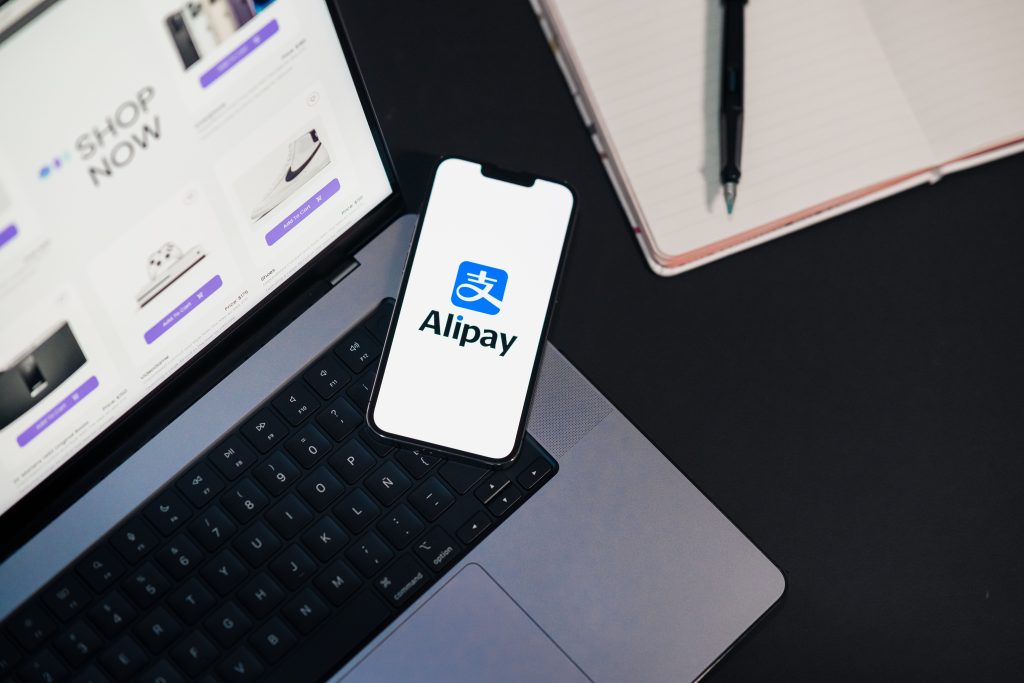
Alipay and WeChat Pay: How Payments Actually Work
These two apps handle the overwhelming majority of transactions in China. Street food vendors, supermarkets, taxis, pharmacies, shopping malls, temple entrance fees: all of them take QR codes.
There are two ways it plays out:
You scan the seller. The vendor shows a printed or screen QR code. You open your app, tap “Scan” and point your camera at it. Enter the amount if prompted, confirm, and you’re done. This is the most common setup at market stalls and small shops.
The seller scans you. You open your app and tap “Receive Money” (or “Show Payment Code”). A QR code appears on your screen. The cashier scans it with their device. This is standard at supermarkets and chain restaurants.
Once you’re familiar with the process, payments usually take only a few seconds.
Setting Up Alipay and WeChat Pay as a Foreign Visitor
Both apps now support international visitors without a Chinese phone number or bank account. You register with your own number, link a Visa or Mastercard, verify with your passport, and you’re ready.
Both Alipay and WeChat Pay waive the 3% international card fee on transactions of RMB 200 or below. Once a single transaction exceeds RMB 200, the 3% fee applies to the full amount, not just the portion above RMB 200. A RMB 500 meal, for example, adds RMB 15 in fees. Some merchants may be willing to process separate purchases individually, but this shouldn’t be assumed.
WeChat Pay requires a phone number to register, but it does not need to be a Chinese mainland number. Any international number that can receive SMS verification codes will work. One limitation worth knowing: without a Chinese number, some mini-programs inside WeChat (such as Didi, China’s ride-hailing app) may not be accessible. For payments at shops and restaurants, you won’t notice the difference.
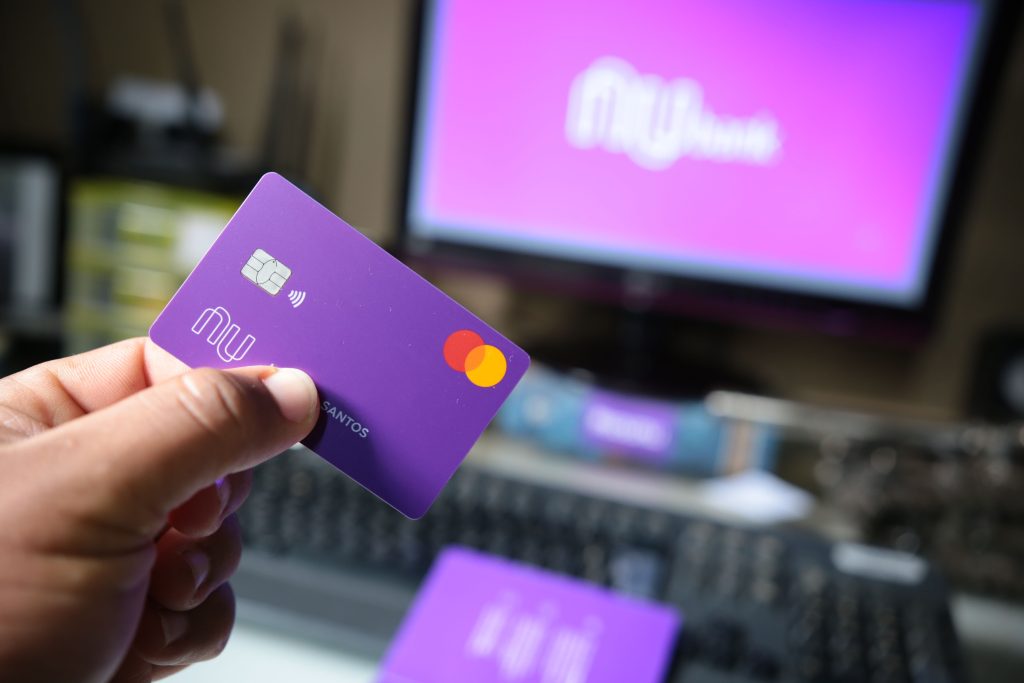
A card worth linking: YouTrip. YouTrip is a multi-currency Mastercard that links to both Alipay and WeChat Pay. Once linked, its SmartExchange technology automatically converts your home currency to CNY at the point of payment, giving you exchange rates that are often more favourable than those offered by traditional bank cards. YouTrip charges no foreign transaction fee on its side. The Alipay and WeChat Pay 3% fee above RMB 200 still applies if your transaction crosses that threshold, but the better exchange rate partially offsets the cost.
Fee-Free Alternatives via the Alipay+ Network
Some digital wallets connect directly to the Alipay+ merchant network in China and bypass the RMB 200 fee threshold entirely, regardless of transaction size. These work wherever you see an Alipay QR code.
Changi Pay is the most established option. There are no transaction fees for overseas payments, so there is no concern about the RMB 200 threshold regardless of how much you spend. The exchange rate is set by Alipay+ and shown before you confirm each payment. Changi Pay’s China acceptance is confirmed until October 2026; check the latest terms before travelling, particularly if you’re going after that date.
OCBC Digital works via Alipay+ with no additional transaction fee markup beyond the bank’s exchange rate, which runs slightly below the spot rate but with no hidden costs layered on top. You’ll need an OCBC bank account to use it.
DBS PayLah joined the Alipay+ network in late 2025 and does not impose the separate 3% international-card fee associated with linking foreign-issued cards directly to Alipay or WeChat Pay. Note the distinction: linking a DBS card directly to Alipay or WeChat Pay still incurs the standard foreign transaction fee from DBS. It’s the PayLah wallet through Alipay+ that avoids it.
All three work at the same tens of millions of Alipay+ merchants across China.
Getting Cash in China
ATMs that accept foreign cards are available at major bank branches (Bank of China, ICBC, China Construction Bank) and in larger hotels, including in Guangzhou. Expect a withdrawal fee of around 25–35 RMB from the Chinese bank, plus whatever your home bank charges. Keep 500–1,000 RMB on hand as backup.
What to Do If a Payment Fails
This happens. Sometimes a foreign card declines on Alipay, or a vendor’s scanner plays up. The practical fix: carry one backup method at all times. Test your setup on a small purchase (a bottle of water, about 3 RMB) within the first hour of arriving, not at a busy restaurant with a queue behind you.
The Quick Summary
Alipay or WeChat Pay are your main tools. Both work with international cards and international phone numbers. Linking a multi-currency card like YouTrip gets you more favourable exchange rates. If you have access to Changi Pay, OCBC Digital or DBS PayLah, those connect via Alipay+ and do not impose the 3% international-card fee. Cash remains a useful backup, particularly if you encounter connectivity issues or merchants that have difficulty processing foreign-linked mobile payments.
Get the apps sorted before you fly. China is genuinely easy to navigate once payments click into place, and Guangzhou is no exception.
Now that you know how to pay your way around, see our top hotel picks: Browse recommended hotels in Guangzhou.